


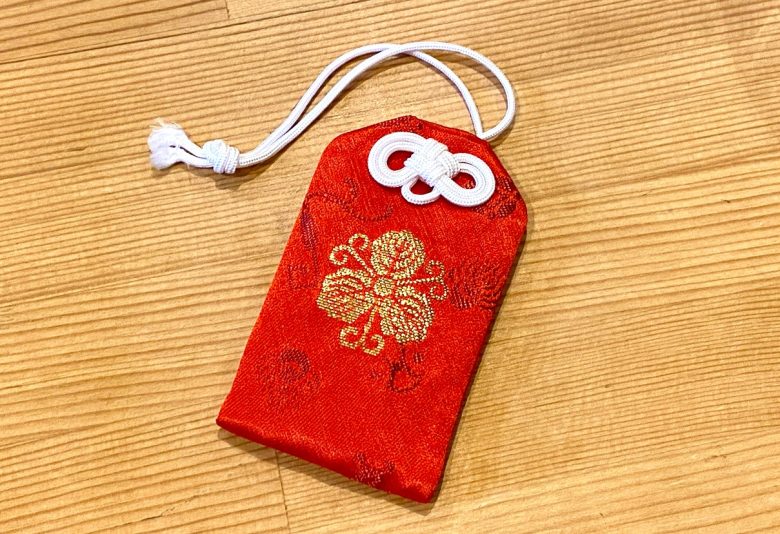
Finding the Right Omamori in KYOTO
A short time in Kyoto is enough to realize that the city has many temples and shrines, perhaps even more than your average city! Many of our past residents who stayed with us at the Japanese Machiya Style Houses of SAKURA HOUSE KYOTO, all seem to realize this within their first few days of living in Kyoto.
Here’s a fun fact: Kyoto has the most shrines and temples of any city of Japan.
Many of them have very rich histories, with their roots deeply tied with historical figures of Japan. While some enshrine the same deity, others enshrine unique local gods, spirits or important figures of the past. Each shrine provides an Omamori tied to the characteristics of these beings.
What Is an Omamori?
An Omamori (お守り) is a traditional Japanese charm or amulet that can be purchased at Shinto Shrines and Buddhist Temples, and are a very common part of life in Japan. They are small, colorful, embroidered fabric pouches containing a sacred paper or wooden slip. These are usually inscribed with prayers, blessings, or the name of the deity enshrined at the shrine or temple where the charm was purchased.
By carrying these on you, it is believed to bring forth good luck, ward off evil, and provide protection to you. You can easily attach it to a bag, keep one in your wallet, or even hang one in your car!
While it may be tempting to open the pouch when you first obtain an Omamori, it is important you don’t open it.
This is due to a traditional superstition that opening the pouch can release or destroy the protective power contained within.
Different Types of Omamori and Their Blessings
Omamori are not simply general good-luck charms. Many are associated with a particular blessing, or ご利益 (goriyaku).
With the great number of temples and shrines all around Kyoto City, there are many to choose from. Some common types include:
• Health and Recovery: A charm for daily well-being, good health, and recovery from illness.
• Academic Success and Passing Exams: A charm for success in studies and passing examinations, popular with foreign students coming to learn Japanese and university students.
• Traffic Safety: A charm for safety while driving, cycling, or walking, perfect for those looking to travel all around Japan.
• Warding Off Evil and Protection: A charm to repel misfortune and protect the bearer from harm.
• Relationships and Romance: A charm for finding a good match or achieving success in love.
• Safe Childbirth and Fertility: A charm for health during pregnancy and a safe delivery.
• Financial Luck and Business Prosperity: A charm for career success and increased financial fortune.
Some shrines enshrine specific deities who are particularly associated with one of these blessings. So, if you are unsure which charm to purchase, a good place to start is by finding a Shrine or Temple that enshrines a deity associated with the blessing you are looking for.
But what if you have a wish that doesn’t fit neatly into one category?
This is a perfect opportunity to mention the万能の神様 (Bannou No Kamisama), which roughly translates to “all-purpose” or “all-powerful” deities.
These deities are believed to be able to grant a wide range of sincere wishes and offer broad protection.
Kyoto is home to several famous shrines enshrining these unique deities, where you can seek these kinds of blessings. Interestingly, there just happens to be one very famous shrine for this close to our houses of SAKURA HOUSE KYOTO, known as Seimei Shrine!
As mentioned in our previous blog, Discovering Kyoto: Seimei Jinja Shrine, Seimei Shrine is known as a strong “power spot” in Kyoto, and is located just 6 minutes walk from our Kyoto machiya style houses.
The shrine is dedicated to Abe no Seimei, one of Japan’s most famous historical Onmyoji—a practitioner of traditional Japanese divination and spiritual practices.
Abe no Seimei is also associated with the idea of a万能の神様, as he is worshipped and approached for protection against many different forms of misfortune, illness, and negative energy, while bringing good fortune in their place.
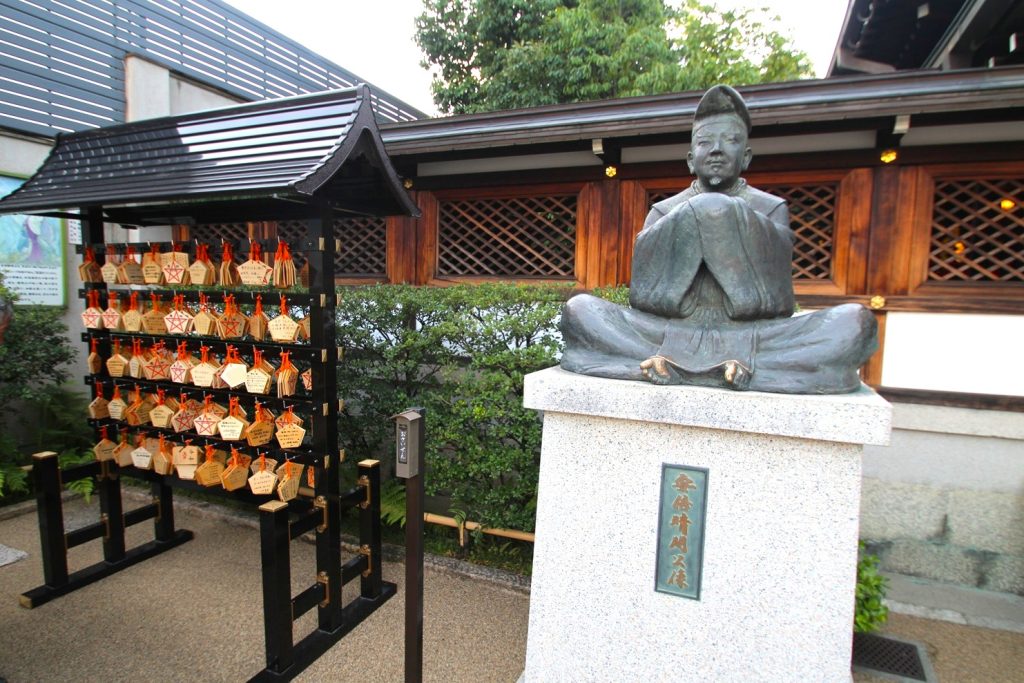
Considering its close proximity to our houses, it is one of the first Shrines our staff recommends to our residents after settling in since it could be a wonderful opportunity to purchase their first ever Omamori to use for their life in Kyoto!
Finding the Right Omamori for You
With so many different types of Omamori available, choosing one can feel overwhelming—especially if you are visiting a shrine or temple for the first time.
A simple approach is to think about what kind of blessing or protection you would like to invite into your life.
Are you preparing for an important exam on your path to learning Japanese? Looking for protection while travelling around Japan? Or maybe hoping for overall good health, success in business, or happiness in your relationships?
Once you know what you are looking for, you can find a shrine or temple associated with that particular blessing and choose an Omamori that feels meaningful to you.
And if you don’t have one particular wish in mind, visiting a shrine dedicated to an all-purpose deity (like Seimei Shrine) can be a wonderful way to experience this aspect of Japanese spiritual culture.
We hope this blog helps anyone feel closer to the many unique aspects of life in Japan, and also understand better the beautiful culture of the Omamori, to help achieve their dreams during or after their trip to Japan!
If you’d like to experience this and many more aspects of living in Japan in first person, feel free to contact us to arrange your stay in Tokyo or Kyoto.
- SHARE
-

SAKURA HOUSE
Nishi-Shinjuku K-1 Bldg. 2F
7-2-6 Nishi-Shinjuku, Shinjuku-Ku Tokyo, Japan
Postal code: 160-0023
Google map
- From Japan:
- 03-5330-5250
- From outside Japan:
- +81-3-5330-5250
- Mail:
- [email protected]
- Office hours:
- 8:50 am to 6:00 pm
We are open every day of the year.
- Tokyo time:
- [tokyo_time_string]


