


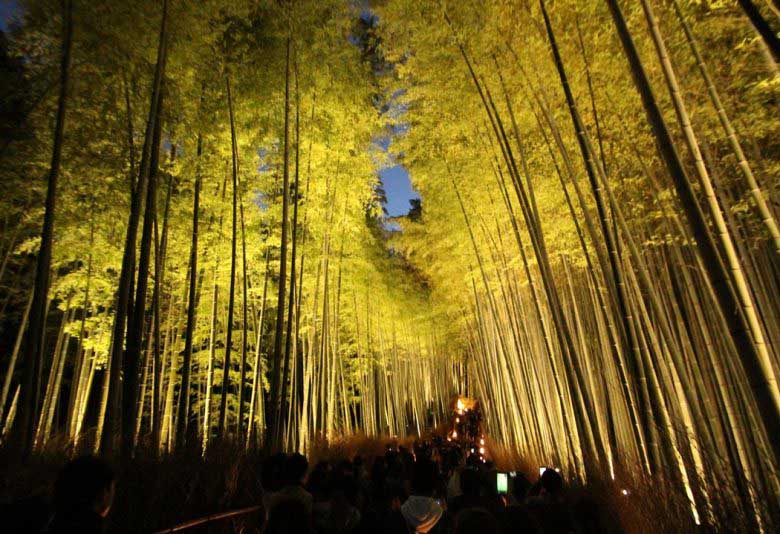
Experiencing Winter in Kyoto
Famous for its historical and cultural significance, many local and foreign nationals in Japan come to stay in Kyoto for its beautiful scenery, various events and tourist attractions all year round! One season we would like to recommend experiencing life in Kyoto is during Winter, with its mix of traditional and modern events, and their unique atmosphere!
Winter in Kyoto
Each year it snows in Kyoto, transforming the former imperial capital and its tourist attractions into a white wonderland. The amount that snows and the duration change each year, which makes it a much more appreciated change each year. When it snows, a white blanket also covers the inner courtyard Gardens of our Kyoto Machiya Style Townhouses, which our residents comfortably enjoy from their rooms or together with other housemates from the house’s living room areas.
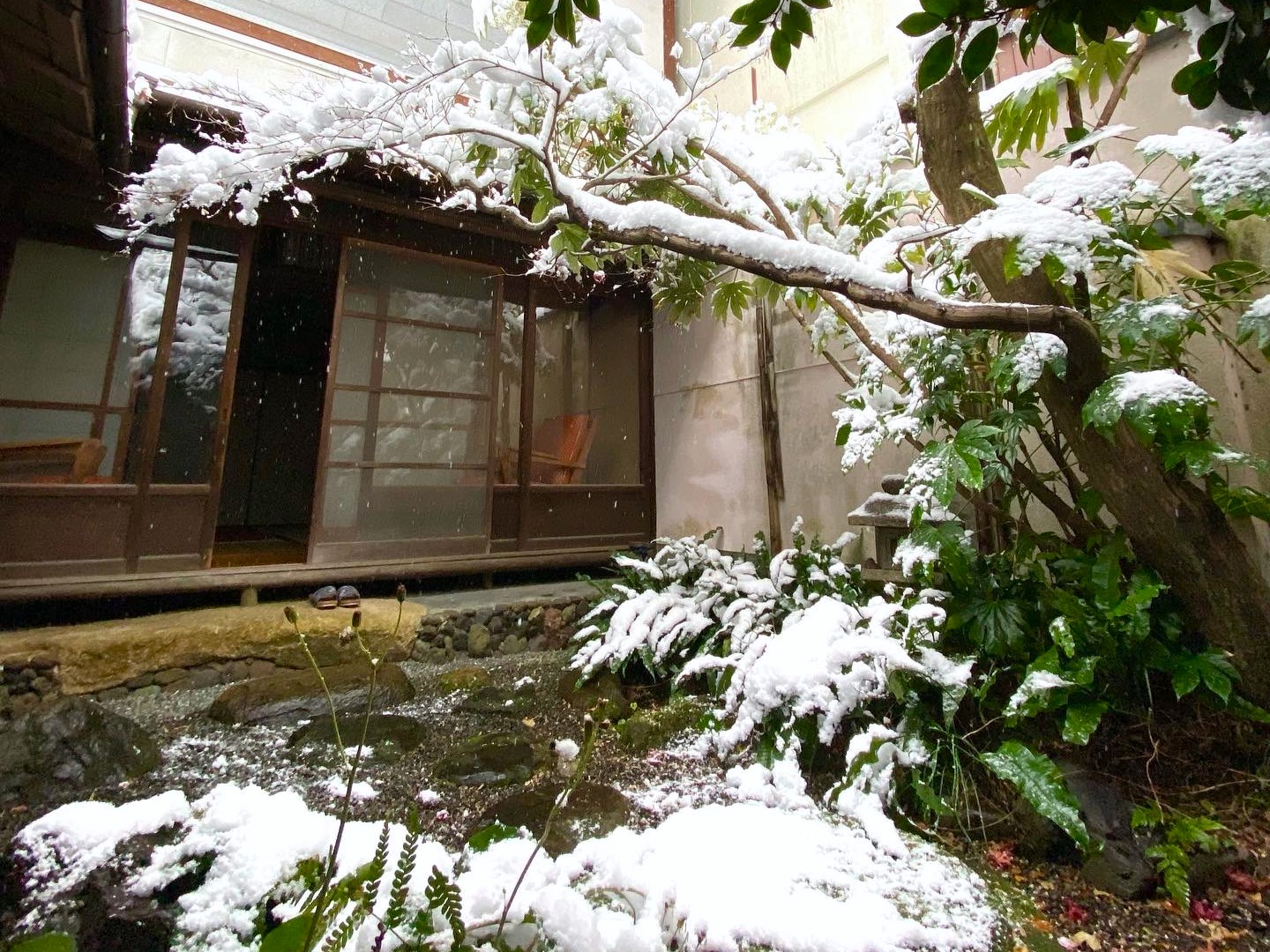
Despite the cold, many residents of SAKURA HOUSE KYOTO still seem eager to venture out and explore Kyoto! They may find previously visited tourist destinations covered in snow, being able to enjoy completely different scenery there! Some may also go out into the surrounding mountainous areas of Kyoto city to go enjoy the various natural Onsens (hot springs) under the cold weather! While it may be a refreshing experience for anyone who has explored Kyoto before in previous seasons, we would also like to recommend them to enjoying events unique to Winter!
Christmas in Kyoto
Winter Illuminations events play a large part in the festivities of Kyoto during the winter season, as mentioned in a previous blog.
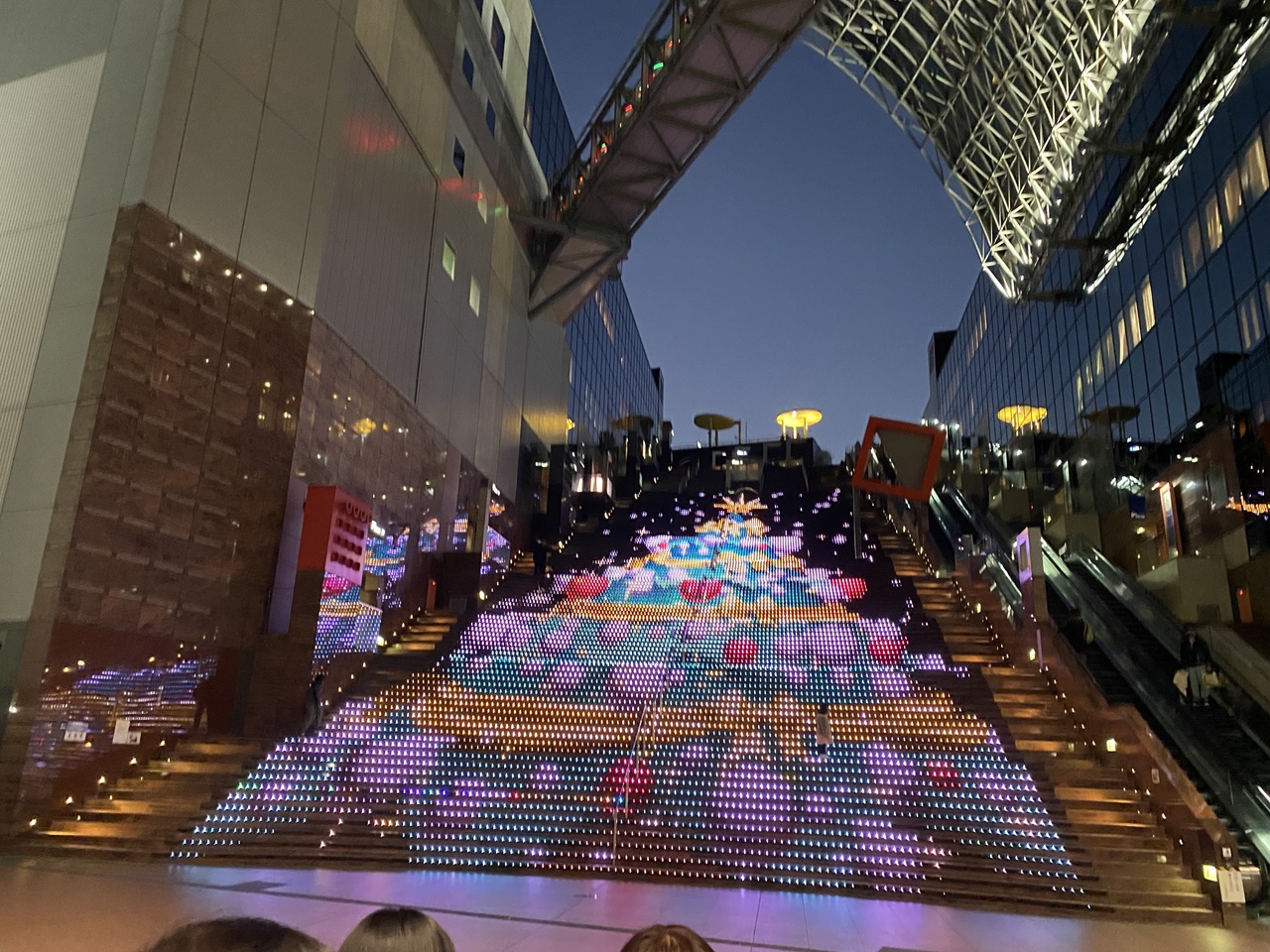
The Illumination events are typically a blend of western-style holiday decorations and illuminations, with a backdrop of traditional Japanese culture and unique local events. Places like Kyoto station, department stores, and venues of winter festivals are noticeably decorated following unique themes and light displays for the occasion! One example being a large Christmas tree decorated inside Kyoto Station during December. While it is certainly eye-catching, one cannot simply ignore the flights of stairs it faces which is used to project light shows! The flights of stairs occasionally illuminate another large Christmas tree, followed by a dazing show of festive illuminations. The stage between the stairs and the large Christmas tree also offers unique live events from local musicians as well as a live radio broadcast.
Just after Christmas, there is another major event not just tied to Kyoto, but to Japanese culture itself. It is the “Joya no Kane” and “Hatsumoude”
New Year in Kyoto
If you happen to be awake during midnight on New Year’s eve, you may hear the “Joya no Kane”(除夜の鐘) or Midnight Bell, an annual tradition where the temple bells are rung 108 times at midnight of the New Year’s Eve.
For anyone who’s staying in Japan at this time, we recommend visiting a nearby Shinto Shrine during the first few days of the year to experience a unique Japanese tradition called “Hatsumode.” (初詣).
Hatsumode is the first visit Shrine visit of the new year, where Japanese people commonly visit a Shinto Shrine to pray to give thanks to for the previous year and pray for good fortune or ask for a good year ahead. While at the shrine, people also purchase good-luck items like amulets (omamori), predictions (omikuji) and arrows (hamaya)
・Additional fun facts:
Before praying people purify their hands and mouth at a “temizu” water fountain.
When praying people make a monetary offering and ring a bell.
It is usually considered good fortune to offer a 5-yen coin (“go-en” in Japanese) because in Japanese Goen (5円) rhymes with ご縁 which means “good fortune”.
After the monetary offering, you bow twice, clap your hands twice, make a silent prayer and then bow one last time.
The atmospheres of the events are often festive, with food stalls selling snacks and typical games that have become a custom.
Gods in Japan are often considered to love festivals. There is a saying in Japan [神様はお祭りが好き] “kami-sama wa o-matsuri ga suki” (“Gods love festivals”), which makes festivals be rituals to entertain the gods. It is based on the idea of serving the gods.
Planning your next stay in Kyoto or Tokyo? Contact us for personalized assistance.
- SHARE
-

SAKURA HOUSE
Nishi-Shinjuku K-1 Bldg. 2F
7-2-6 Nishi-Shinjuku, Shinjuku-Ku Tokyo, Japan
Postal code: 160-0023
Google map
- From Japan:
- 03-5330-5250
- From outside Japan:
- +81-3-5330-5250
- Mail:
- [email protected]
- Office hours:
- 8:50 am to 6:00 pm
We are open every day of the year.
- Tokyo time:
- [tokyo_time_string]


